Empowering Survivors: Navigating Cancer Treatment and Care
Every year, countless individuals hear the words 'you have cancer,' a phrase that can bring life to an abrupt halt. The world of oncology is complex and filled with many uncertainties as patients navigate their unique journeys through treatments like chemotherapy, radiation therapy, or immunotherapy. However, it's essential to remember that while the diagnosis might define an experience, it does not define a person’s worth or their potential for a positive life. How can we empower ourselves and others during such a tumultuous time? By adopting essential strategies that not only inform but uplift and inspire.
To embark on an empowering journey, knowledge becomes our most reliable ally. Understanding your diagnosis—be it carcinoma, malignancy, or any other form of tumor—can make navigating through treatment options clearer. It’s vital to engage in open conversations with healthcare providers about screening protocols, prevention tactics, and clinical trials that may be available. Asking questions can lead to better decision-making and allows for personalized patient care planning. After all, the more you know, the more empowered you become! Have you ever considered how your choices might shape your treatment outcomes?
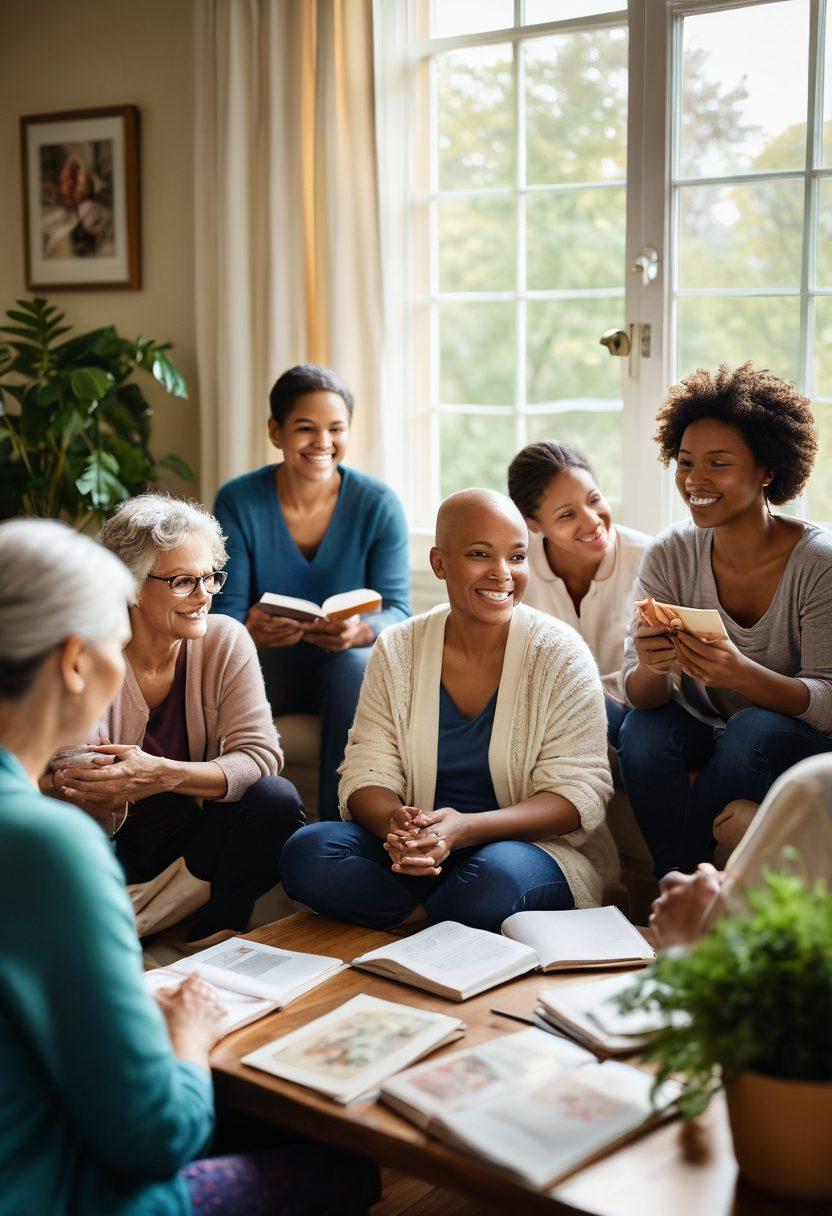
With the overwhelming amount of information out there, it's crucial not to forget the comfort of community. Survivor stories often provide hope when times are bleak. Listening to others who have walked a similar path can foster resilience; support groups act as lifelines, enabling individuals to share experiences, tips, and emotional support. These connections can illuminate new avenues to explore in holistic health—vital strategies that focus not only on the treatment of cancer but also on enhancing one’s quality of life post-diagnosis. Isn't it remarkable how solidarity can shine brightly in our darkest moments?
Equally important is maintaining a dialogue about mental health and emotional well-being. Cancer treatment can strain mental resources, making self-care non-negotiable. This means setting aside time for activities that bring joy, whether it’s painting, gardening, or engaging in mindfulness practices. These small acts of awareness and presence can cultivate a powerful mindset as you face the hurdles of chemotherapy, radiation therapy, or other medicinal approaches. Have you created self-care rituals to help navigate the emotional landscape of your treatment?
Finally, awareness campaigns play a pivotal role in cultivating a culture of health education. By participating in and promoting these initiatives, you can contribute to the broader understanding of cancer, the importance of early diagnosis, and the need for preventive measures. Every step taken toward awareness can help demystify mistreatment, reduce stigma, and potentially save lives. The journey of an empowered survivor is not solely about battling cancer; it’s about educating oneself and others to create a supportive environment for everyone affected. So, as we continue to share our journeys, let’s also foster a community that thrives on knowledge and empathy.
Survivor Stories: Real Experiences that Illuminate Oncology and Support
In a world where oncology often feels like a battleground, stories of survival shine a poignant light on the path to healing. Every individual’s journey through cancer — whether through treatment like chemotherapy, radiation therapy, or immunotherapy — contributes to a tapestry rich with experience and insight. These survivor stories are not merely accounts of triumph over malignancy but powerful narratives that resonate with hope, resilience, and invaluable lessons in patient care. How can we learn from these journeys to better support ourselves and others navigating the realities of a carcinoma diagnosis?
Take, for example, the journey of Jane, who was diagnosed with a tumor at the age of 35. Facing the daunting prospect of aggressive treatment options, Jane leaned into the wisdom shared through support groups. 'It's not just about survival; it’s about finding joy in every day,' she would often say, encapsulating the essence of holistic health. Her story reminds us that healing goes beyond the confines of clinical trials and hospital walls; it intertwines with our emotional and mental well-being. Have you found unexpected joy amidst challenges?
Another testament to resilience is Michael, who recounts his experience with palliative care during his treatment for advanced malignancy. He explains, 'In the beginning, I thought palliative care was the end, but it became the most supportive part of my journey.' This perspective shift illuminates the importance of understanding what prevention and early screening can offer, not just in terms of combatting cancer but also enhancing quality of life throughout treatment. How have our preconceived notions shaped our understanding of health education and resources available?
Moreover, these survivor stories weave together common threads of connection and advocacy. Lisa, who participated in multiple awareness campaigns during her fight against carcinoma, believes that sharing her story allows others to harness the hope and strength they need. She emphasizes, 'Every story told is a beacon for someone still searching for light.' This mirrors the profound impact survivor advocates can have on healthcare — from influencing screening practices to pushing for crucial changes in clinical policies. How are we lifting each other to reach that light?
Ultimately, the experiences shared by these courageous individuals invite us all to reflect on our journeys, whether as survivors, caregivers, or advocates within the oncology community. Their stories motivate us to challenge stigma, promote proactive health measures, and foster an environment of openness and support. As we navigate our realities, let us celebrate the triumphs, learn from the trials, and advocate for holistic approaches that ensure individuals not only survive but thrive. What collective stories can we tell to change the narrative around cancer?
Navigating Healthcare: From Diagnosis to Effective Treatment Options in Cancer Care
When faced with a daunting diagnosis like cancer, the journey from the initial shock to effective treatment options can resemble a labyrinth—twisting, turning, and filled with uncertainties. But navigating healthcare need not feel like an insurmountable challenge. From the moment you receive your diagnosis, whether it's a malignant tumor or carcinoma, the choices you make regarding your treatment can significantly impact your quality of life. So, how can you empower yourself through this complex tapestry of oncology and patient care?
One of the first steps in this journey is to understand the disease itself. You might find yourself bombarded with medical jargon—terms like chemotherapy, radiation therapy, and immunotherapy—each representing different avenues of potential healing. Take the time to delve into each option. What do they mean, and how do they affect your body? Find comfort in survivor stories, as they often illuminate the paths taken by those who walked before you. These accounts serve not only as inspiration but also as real-life case studies to help you understand what you can expect during treatment.
In today’s age, the fight against malignancy has expanded beyond conventional treatments. Advances in research are illuminating new paths in clinical trials, which often provide access to cutting-edge therapies that may not yet be widely available. By discussing clinical trials with your healthcare team, you can stay at the forefront of innovation. Why ask for a referral to a specialist who knows the latest in cancer research? Because knowledge is the ultimate form of empowerment. Engaging in health education about your specific case can turn you from a passive recipient to an active participant in your treatment journey.
Moreover, don’t underestimate the significance of support groups and awareness campaigns. They can offer solace and understanding, reminding you that you’re not alone in this battle. Talking with a community of fellow survivors can motivate you to explore holistic health practices that complement traditional treatments. How nourishing is it to share stories and coping strategies that enhance your wellness? From meditation techniques to nutritional guidance aimed at prevention, the insights from those who share your journey can be invaluable.
Ultimately, navigating healthcare through cancer treatment is about balancing informed decision-making with self-care. Embrace the resources available to you—be it through preventive measures or by seeking palliative care that enhances your life quality amidst treatment. Remember, you have the power to orchestrate your care plan. You are not merely a statistic; you are a survivor with a unique story to share. So, as you step forward into this new chapter, let your voice echo the message that treatment options in cancer care are not one-size-fits-all but rather a mosaic that reflects each individual's journey and personal resilience.